

Ovulation Test vs Pregnancy Test: What's the Difference?
This article is for general education and awareness only. It is not medical advice, a diagnosis, or a treatment plan. Always consult with a qualified healthcare professional for any health concerns or before making any decisions related to your health or treatment.
Ovulation Test vs Pregnancy Test: What's the Difference?
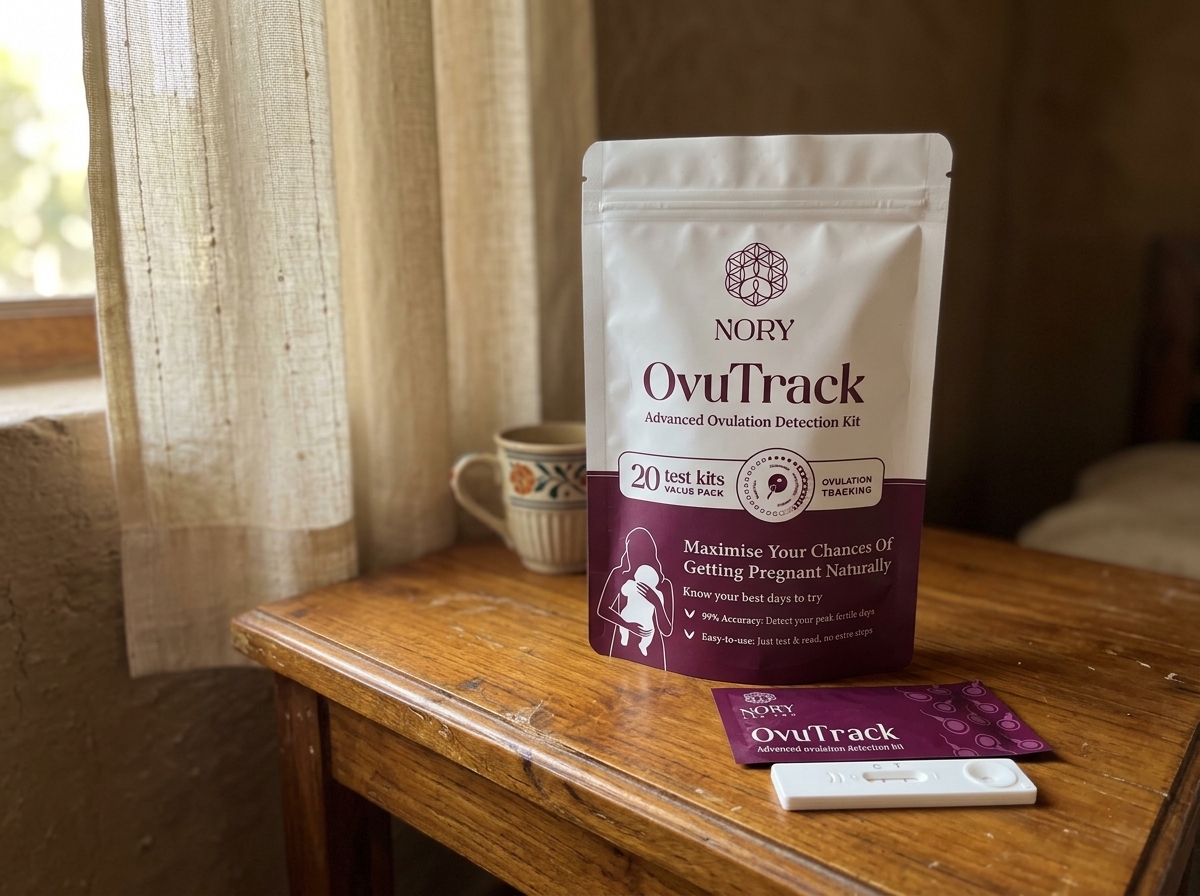
- Ovulation tests detect Luteinizing Hormone (LH) to predict your fertile window.
- Pregnancy tests detect human Chorionic Gonadotropin (hCG) to confirm conception.
- The two tests serve different purposes and are not interchangeable for accurate results.
- Understanding when and how to use each test is crucial for couples trying to conceive.
When you’re trying to conceive, timing is everything. Two of the most common tools in the at-home fertility toolkit are ovulation tests and pregnancy tests. However, many couples confuse their roles, leading to missed opportunities and unnecessary stress. Understanding the fundamental difference is the first step: ovulation tests predict your fertile window, while pregnancy tests confirm if conception has occurred. Knowing which test to use and when is crucial for navigating your fertility journey with confidence.
What Are Ovulation Tests and Pregnancy Tests?
At a glance, ovulation and pregnancy tests might look similar. They are both simple, at-home urine tests that provide a quick yes-or-no answer. But what they measure inside your body is completely different. Each test is designed to detect a specific hormone that corresponds to a distinct phase of your reproductive cycle.
An ovulation test is a predictive tool. It looks for a surge in a hormone that tells your body it’s time to release an egg. A pregnancy test, on the other hand, is a confirmation tool. It looks for a hormone that is only produced after a fertilized egg has successfully implanted in the uterus.
Ovulation Tests: Detecting Your Fertile Window
The primary purpose of an ovulation test is to identify your most fertile days in a menstrual cycle. It works by detecting a rapid increase, or "surge," in Luteinizing Hormone (LH) in your urine. This LH surge typically occurs 24 to 36 hours before ovulation—the moment an egg is released from your ovary. Having intercourse during this window significantly increases your chances of conception.
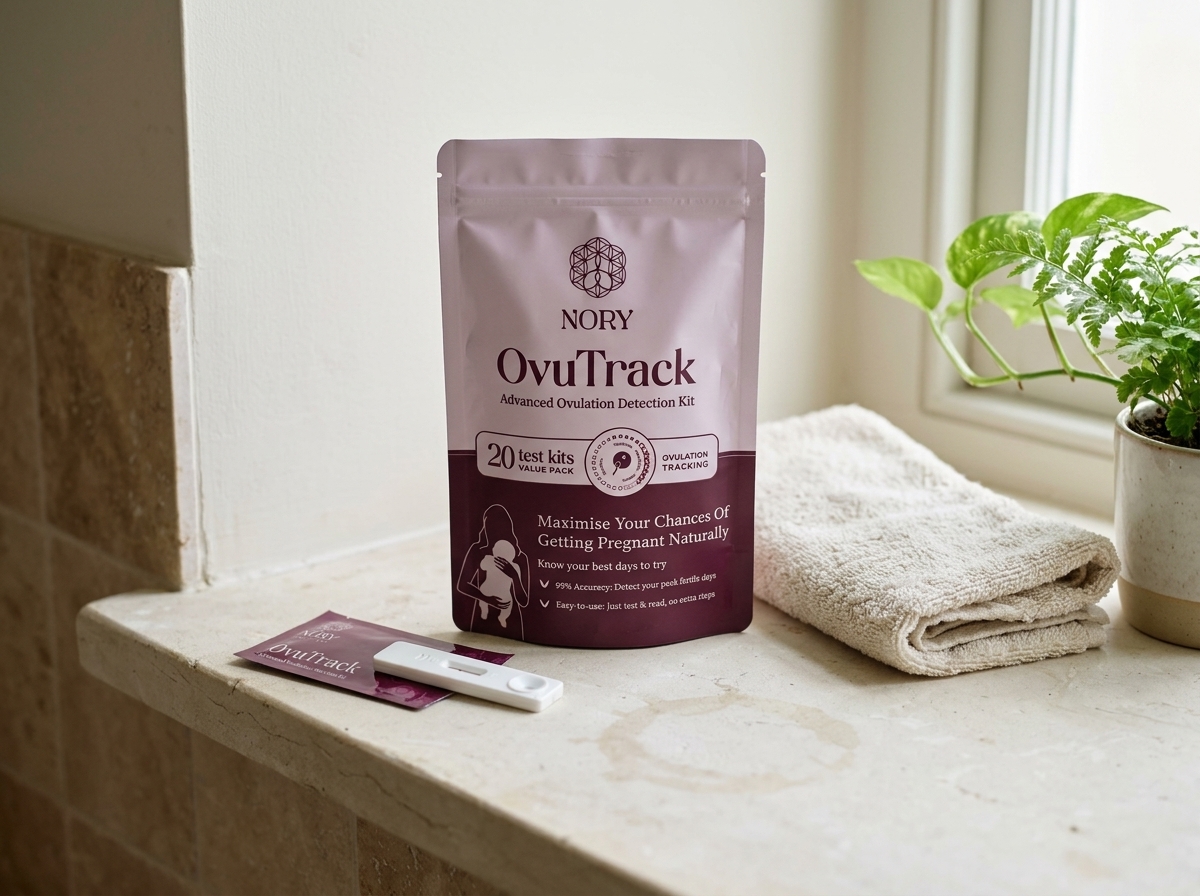
For couples actively trying to get pregnant, timing intercourse to coincide with this fertile window is key. The Nory OvuTrack Ovulation Test Kit is designed to make this process simple and clear. The listing states it provides reliable results to help you pinpoint your LH surge from the comfort of your home. It includes 20 test strips, allowing for daily testing to accurately track your cycle. You can find it on the Nory website and it is also available on Amazon.
Pregnancy Tests: Confirming Conception
A pregnancy test is used to determine if you are pregnant. It works by detecting the presence of human Chorionic Gonadotropin (hCG), often called the "pregnancy hormone." Your body starts producing hCG only after a fertilized egg attaches to the uterine lining. This implantation typically happens about 6 to 12 days after fertilization.
For the most accurate results, it's best to take a pregnancy test after you've missed your period. Testing too early can result in a false negative because hCG levels may not be high enough to be detected. The Nory Pregnancy Test Kit is an at-home test for the detection of hCG in urine. For the most reliable results, it is recommended to test after the first day of your missed period. A negative result before your missed period does not definitively rule out pregnancy. It is also available on Amazon.
Can an Ovulation Test Detect Pregnancy?
This is a common question, and the answer is technically complex but practically simple: no, you should not use an ovulation test to detect pregnancy. The hormones LH and hCG are chemically similar. Because of this similarity, a highly sensitive ovulation test might react to the high levels of hCG in early pregnancy and show a positive result.
However, this is not a reliable method. An ovulation test is not calibrated to measure hCG, so it can easily give a false positive or false negative, leading to confusion and emotional distress. Always use a test designed for the specific hormone you want to measure. Use a pregnancy test to confirm pregnancy.
Key Differences at a Glance
To summarize, here are the core differences between ovulation tests and pregnancy tests in a simple table.
| Feature | Ovulation Test | Pregnancy Test |
|---|---|---|
| Purpose | Predicts the fertile window | Confirms pregnancy |
| Hormone Detected | Luteinizing Hormone (LH) | human Chorionic Gonadotropin (hCG) |
| When to Use | Mid-cycle, before ovulation | After a missed period |
| Result Meaning | Positive = You will likely ovulate in 24-36 hours | Positive = You are pregnant |
Some couples may consider at-home insemination if they experience difficulties with vaginal intercourse, such as performance anxiety or vaginismus. This is not a medical treatment for these conditions, and it is not the right path for everyone.
When to See a Doctor
While at-home tests are valuable tools, they are not a substitute for professional medical advice. You should consider consulting a doctor or fertility specialist if:
- You have been trying to conceive for over a year (or six months if you are over 35) without success.
- You have irregular menstrual cycles, which can make ovulation prediction difficult.
- You have a known medical condition that may affect fertility.
- You have concerns about your test results or your reproductive health in general.
A healthcare provider can offer a comprehensive evaluation, run further tests, and guide you on the best next steps for your personal fertility journey.
Frequently Asked Questions
What hormone does an ovulation test detect?
Ovulation tests detect a surge in Luteinizing Hormone (LH) in your urine. This surge signals that ovulation is likely to occur in the next 24-36 hours, helping you identify your most fertile days.
What hormone does a pregnancy test detect?
Pregnancy tests detect the presence of human Chorionic Gonadotropin (hCG), a hormone produced by the placenta shortly after a fertilized egg implants in the uterus.
Can I use an ovulation test to confirm pregnancy?
No, you should not use an ovulation test to confirm pregnancy. While the tests detect different hormones (LH vs. hCG), their chemical structures are similar enough that an ovulation test might show a positive result if you are pregnant. However, this is not a reliable method and can lead to confusion. Always use a dedicated pregnancy test for accurate results.
When is the best time to take each test?
For ovulation tests, start testing about 10-12 days after your period begins, depending on your cycle length. For pregnancy tests, the most reliable results are obtained after you have missed your period. While some sensitive tests can detect hCG earlier, a negative result before your missed period does not definitively rule out pregnancy.
What's the difference between a positive ovulation test and a positive pregnancy test?
A positive ovulation test indicates your body is preparing to release an egg (ovulate), signaling your fertile window. A positive pregnancy test confirms that a fertilized egg has implanted in your uterus and you are pregnant.