

Best Days to Get Pregnant: A Guide to Your Fertile Window
Disclaimer: This content is for general education only. It is not medical advice, diagnosis, or treatment, and it is not a promise of pregnancy. Always consult your physician or another qualified health provider with questions about fertility or a medical condition.
Best Days to Get Pregnant: A Guide to Your Fertile Window
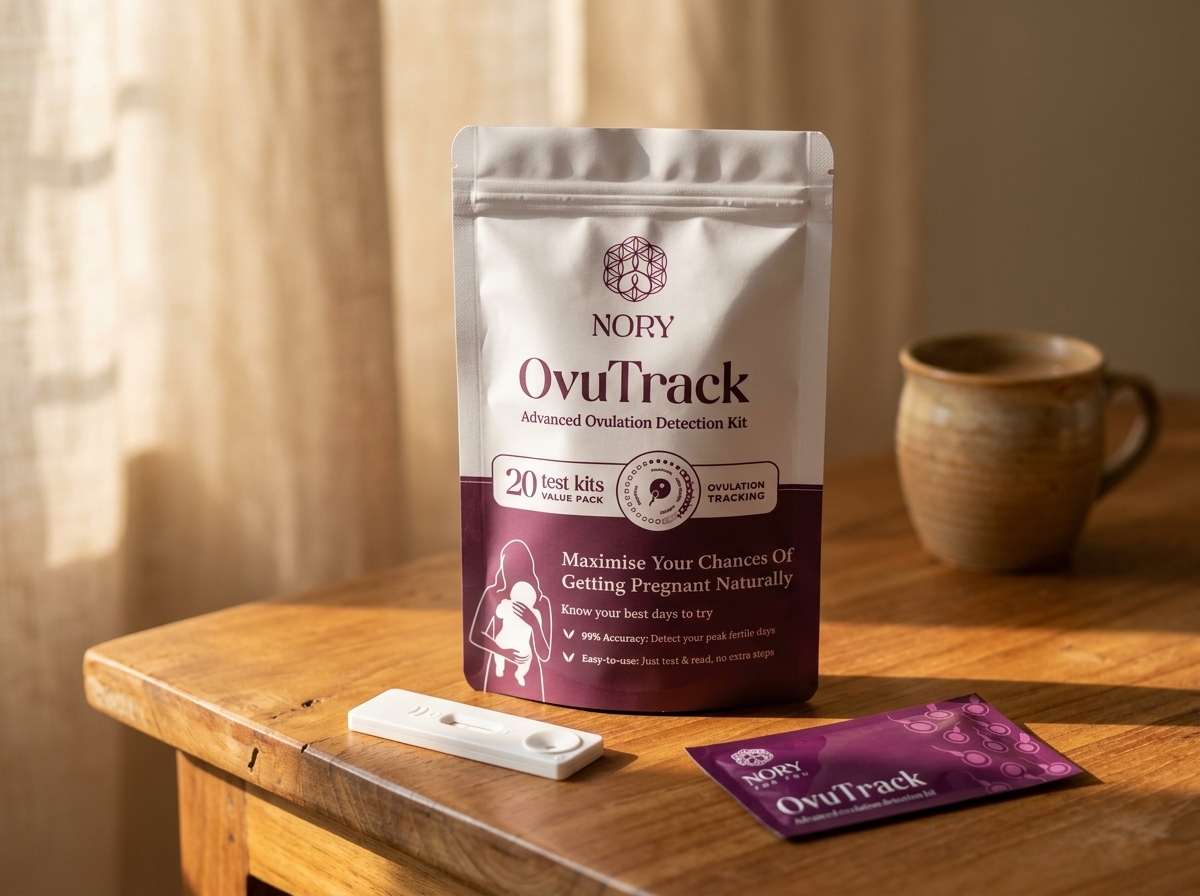
This guide helps couples in India understand and identify their fertile window for conception. It explains the science of ovulation, how to track natural fertility signs, and how to use modern tools for greater precision.
- Understand the lifespan of egg and sperm to identify your fertile window.
- Recognize your body's natural signs of impending ovulation.
- Learn how ovulation tests pinpoint your most fertile days with accuracy.
- Know what to do after your fertile window and when to see a doctor.
For couples in India trying to conceive, pinpointing the best days to get pregnant can feel like a confusing puzzle. The most fertile time in a woman's cycle is the five days leading up to ovulation and the day of ovulation itself. This six-day period is the 'fertile window,' and understanding how to identify it is the first and most crucial step in maximizing your chances of conception. While tracking your cycle and noticing your body's natural signs is helpful, modern tools can offer much more precision, taking the guesswork out of the process.
The Science Behind Your Fertile Window: Egg and Sperm Lifespan
Conception is a matter of timing, centered around the lifespan of both the egg and the sperm. After an egg is released from the ovary during ovulation, it is viable for only about 12 to 24 hours. If it isn't fertilized within this short timeframe, it dissolves.
Sperm, on the other hand, are more resilient. They can survive inside the female reproductive tract for up to five days under the right conditions. This means that intercourse even a few days before ovulation can lead to pregnancy. The sperm can wait for the egg to be released. This disparity is what creates the 'fertile window.' Your chances of getting pregnant are highest when intercourse occurs in the two to three days just before ovulation and on the day of ovulation itself.
Natural Signs Your Body is Nearing Ovulation
Your body provides several natural clues to indicate that ovulation is approaching. Learning to recognize these signs can help you estimate your fertile window. While not as precise as hormonal testing, they are a valuable, free tool for understanding your cycle.
- Changes in Cervical Mucus: As you approach ovulation, your cervical mucus will become clear, slippery, and stretchy, resembling the consistency of raw egg whites. This type of mucus helps sperm travel to the egg.
- Basal Body Temperature (BBT) Shift: Your BBT is your lowest body temperature in a 24-hour period. It typically dips slightly just before ovulation and then rises sharply (by about 0.5°F or 0.3°C) the day after. Tracking it daily can confirm ovulation has occurred, but it's a retroactive sign.
- Mild Pelvic or Abdominal Pain: Some women experience a slight twinge or cramping on one side of their lower abdomen when an egg is released. This is known as Mittelschmerz, or 'middle pain.'
- Increased Libido: Many women report feeling more interested in sex in the days leading up to ovulation, which is the body's natural way of encouraging conception during the most fertile time.
Timing Intercourse for Optimal Conception Chances
Once you have an idea of when your fertile window is, the goal is to have intercourse during this time. Since sperm can live for several days, you don’t need to time it to the exact hour of ovulation. Having intercourse every day or every other day during your fertile window is a common recommendation that covers your bases effectively.
Regularly having intercourse throughout your cycle is also beneficial, as it ensures there are healthy sperm available whenever ovulation might occur, which is especially helpful for women with irregular cycles where the fertile window can be less predictable.
Who Might Consider At-Home Insemination?
At-home insemination is an option some couples explore when vaginal intercourse is difficult—for example because of performance anxiety, vaginismus, or other sexual health concerns. It is not a treatment for underlying fertility or medical conditions, and it is not appropriate for everyone. This article is for couples trying to conceive together; it does not address donor sperm, donor insemination, or single-parent pathways. Please consult a healthcare professional to discuss whether at-home insemination is suitable for your situation.
How Ovulation Tests Pinpoint Your Peak Fertile Days?
While natural signs are useful, they can be subjective and hard to interpret. An Ovulation Predictor Kit (OPK) offers a more scientific way to identify your most fertile days. These tests work by detecting a specific hormone in your urine.
Just before ovulation, your body experiences a sharp increase in Luteinizing Hormone (LH). This 'LH surge' is the trigger that typically precedes ovulation. An ovulation test detects the LH surge that typically precedes ovulation, helping you identify the days when you are most likely to be fertile. Please note that an LH surge does not guarantee that ovulation will occur.
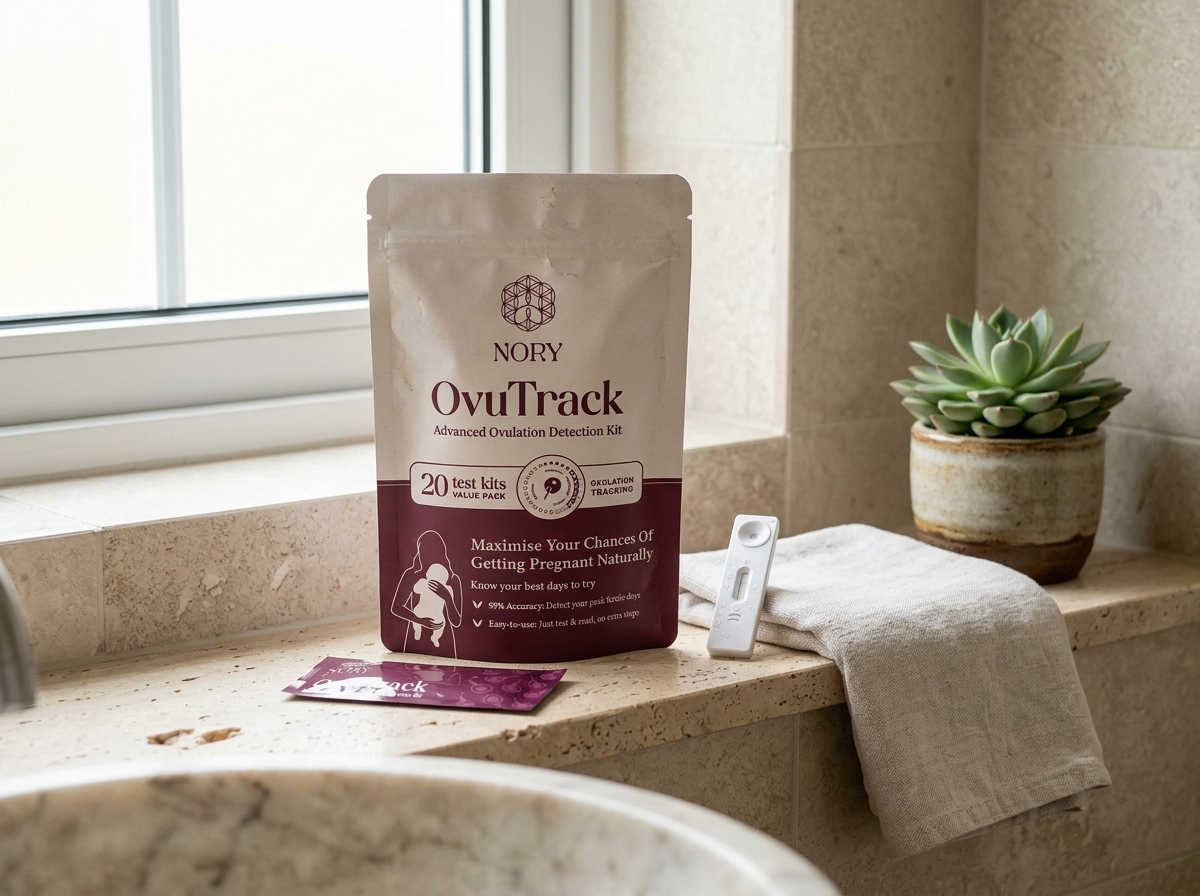
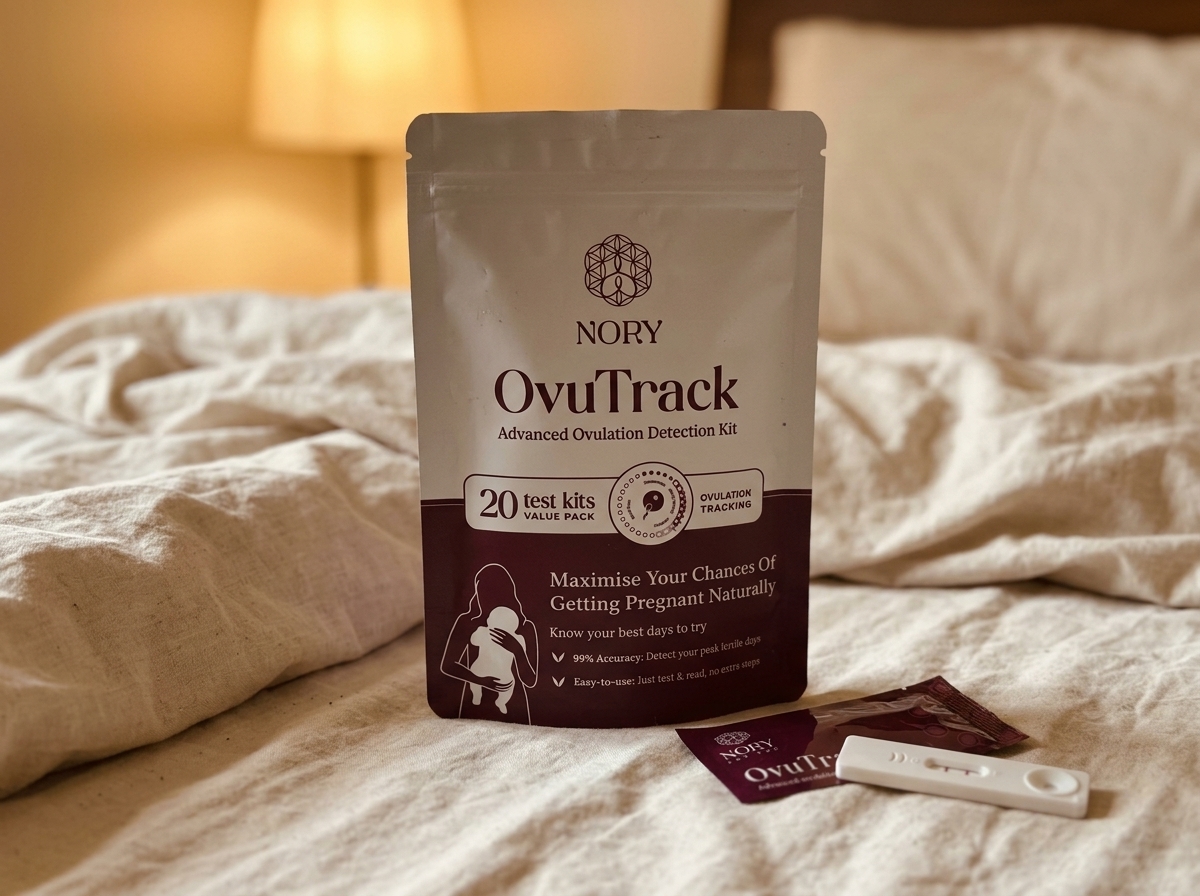
For women with irregular periods, ovulation tests are particularly valuable. Calendar methods fail when cycle lengths vary, but an OPK tracks the actual hormonal event. The Nory OvuTrack Ovulation Test Kit is available for home use to help track your LH levels. It is also available on Amazon.
Enhancing Comfort During Your Fertile Window
When you're trying to conceive, the focus on timing intercourse can sometimes create pressure and discomfort. Using a personal lubricant can make the experience more comfortable and enjoyable for both partners. However, it's essential to choose the right kind.
Many standard lubricants can harm sperm motility, creating a hostile environment that makes it harder for them to reach the egg. A fertility-friendly lubricant is specifically formulated to be pH-balanced and isotonic to mimic the consistency of natural cervical mucus, providing a safe environment for sperm.
The Nory Fertility-Friendly Lubricant is a water-based gel designed with these properties. It is formulated to be gentle and non-irritating while providing necessary lubrication without interfering with sperm health. It is also available on Amazon.
What to Do After Your Fertile Window
After your fertile window closes, the next phase is the 'two-week wait'—the time between ovulation and when you can reliably take a pregnancy test. This period can be filled with anticipation and anxiety. During this time, it's best to continue with your healthy lifestyle habits and try to manage stress.
Pregnancy tests work by detecting the hormone human chorionic gonadotropin (hCG) in your urine, which your body starts producing after a fertilized egg implants in the uterus. The Nory Pregnancy Test Kit is a home-use midstream test designed to provide accurate results in the comfort of your home. It is suggested to take this test after a week of a missed period for the most reliable results.
| Days Past Ovulation (DPO) | Implantation Status | hCG Detectability | Recommendation |
|---|---|---|---|
| 6-12 DPO | Implantation may occur | Very low / undetectable | Too early to test |
| 12-14 DPO | Implantation likely complete | Increasing / may be detectable | Some early tests may work |
| 14+ DPO (Day of missed period) | Implantation complete | Generally detectable | Optimal time to test |
The Nory Pregnancy Test Kit is available on Amazon.
When is it Time to See a Doctor About Your Fertility Journey?
Trying to conceive is a journey that is unique for every couple. While many couples conceive within the first few months, it's also normal for it to take up to a year. However, there are certain situations where consulting a healthcare professional is recommended.
You should consider speaking with a doctor or fertility specialist if:
- You are under 35 and have been trying to conceive for over a year with no success.
- You are over 35 and have been trying for six months.
- You have very irregular periods, or no periods at all, making it difficult to predict ovulation.
- You or your partner have a known medical condition that could affect fertility.
- You have experienced two or more miscarriages.
A doctor can help identify any underlying issues and recommend the next steps, providing guidance and support tailored to your specific situation. Home-use kits are a first step in understanding your body, not a substitute for professional medical advice.
Frequently asked questions
How many days before ovulation can you get pregnant?
You can get pregnant up to five days before ovulation. This is because sperm can survive in the female reproductive tract for up to five days, waiting for an egg to be released. Your most fertile days are the two to three days immediately preceding ovulation and the day of ovulation itself.
What are the most fertile days if I have irregular periods?
With irregular periods, calendar-based methods are unreliable. The most effective way to identify your fertile days is to track signs of ovulation directly. This includes monitoring cervical mucus and using an ovulation predictor kit (OPK). An OPK detects the LH surge that often happens 24-36 hours before ovulation, helping you estimate when you are most likely to be fertile. A positive result predicts ovulation; it does not guarantee that ovulation will occur.
Is an ovulation calculator or an ovulation test more accurate?
An ovulation test (OPK) is often more helpful than an ovulation calculator. A calculator estimates your fertile window based on average cycle lengths, which can be inaccurate, especially with irregular cycles. An ovulation test detects the LH surge that typically precedes ovulation, helping you estimate when you are most likely to be fertile. An LH surge does not guarantee that ovulation will occur.
Can you get pregnant if you miss your ovulation day?
It is very unlikely to get pregnant after ovulation has occurred. The egg survives for only about 12 to 24 hours after being released. This is why timing intercourse for the days leading up to ovulation is so crucial, as it ensures sperm are already present and waiting when the egg is released.
What does an LH surge mean?
An LH (Luteinizing Hormone) surge is a sharp spike in this hormone that typically precedes ovulation. This is the event that ovulation tests detect. A positive ovulation test indicates that ovulation is likely to occur within the next 24 to 36 hours, signaling your peak fertile window. Please note that an LH surge does not guarantee that ovulation will occur.
References
- Mayo Clinic — What is ovulation? What are the signs? (2023)
- American College of Obstetricians and Gynecologists — Trying to Get Pregnant (2021)
- World Health Organization — Infertility (2023)
- National Institutes of Health — What are some causes of female infertility? (2021)
- RESOLVE: The National Infertility Association — Understanding Your Cycle (n.d.)
how to know fertile days
how to track ovulation with irregular periods
ovulation calendar vs ovulation test
signs of ovulation
how long is fertile window
when are you most fertile
can you get pregnant after ovulation
what does LH surge mean
best time to try for pregnancy
fertility window calculator India