

How to Calculate Your Fertile Window With Irregular Periods
The information provided in this article is for educational purposes only and is not a substitute for professional medical advice, diagnosis, or treatment. Always seek the advice of your physician or other qualified health provider with any questions you may have regarding a medical condition.
How to Calculate Your Fertile Window With Irregular Periods
Key Takeaways
- Irregular periods make calendar-based ovulation tracking unreliable.
- Observing physical signs like cervical mucus and basal body temperature can provide valuable clues about your fertile window.
- Ovulation test kits (LH strips) are a more precise way to detect the hormone surge that signals impending ovulation.
- Understanding the limitations of these methods is crucial, especially for those with conditions like PCOS.
- Consult a doctor if you have concerns about irregular cycles or have been trying to conceive for a year (or six months if over 35).
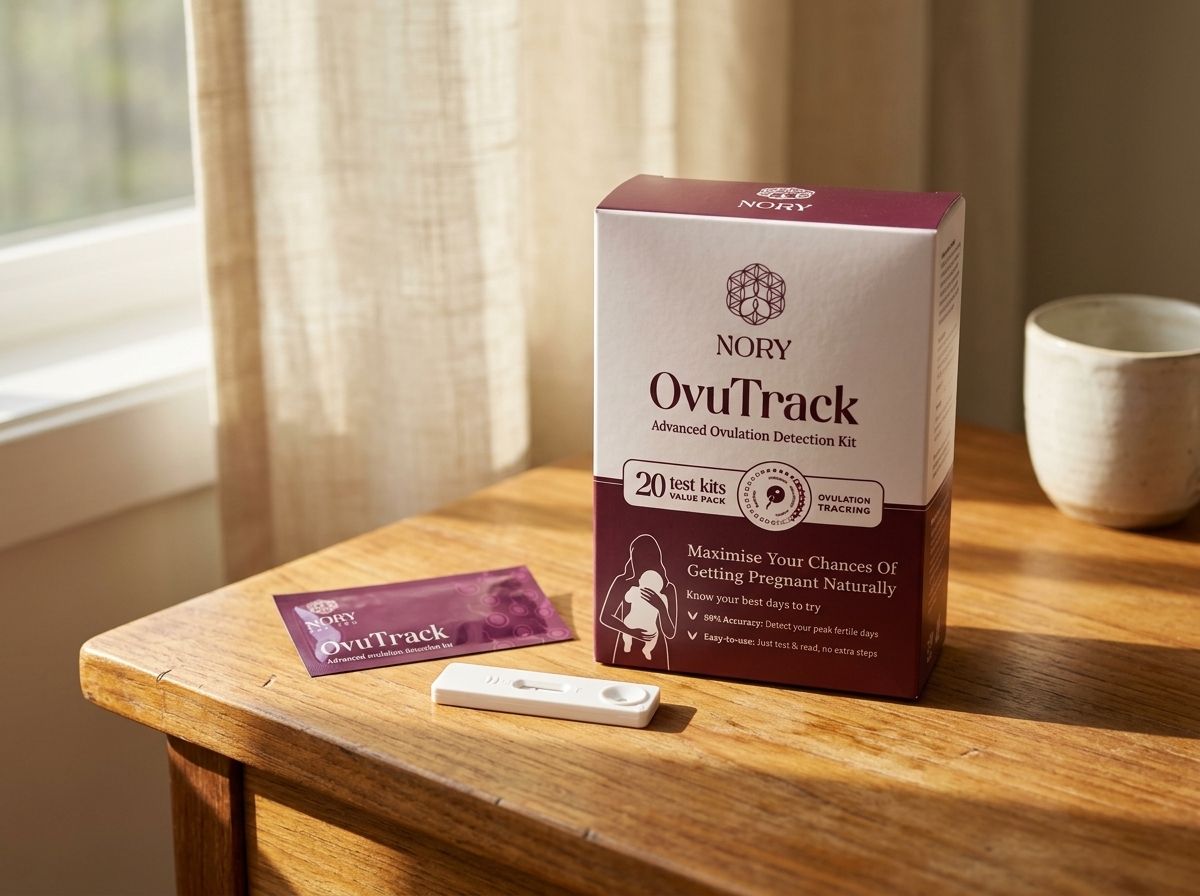
For many women in India trying to conceive, irregular periods can turn an exciting journey into a frustrating waiting game. When your cycle is unpredictable, traditional methods of tracking ovulation by counting days often fail, leaving you unsure of the best time to try. The good news is that even with an irregular cycle, it is possible to accurately identify your fertile window. Many women struggle to pinpoint this time, but there are reliable methods to track ovulation even when your cycle is unpredictable. This article will guide you through understanding your body's signs and using ovulation tests to find your fertile window, with a detailed look at how the Nory OvuTrack Ovulation Test Kit can help.
Why Calendar Methods Fall Short with Irregular Cycles
The calendar method, or rhythm method, works by tracking the length of your menstrual cycles over several months to predict ovulation. It assumes that ovulation occurs at roughly the same time each cycle, typically about 14 days before your period starts. For women with regular, predictable cycles, this can be a helpful starting point.
However, when your cycle length varies significantly from month to month, the predictions become unreliable. A cycle is considered irregular if it’s shorter than 21 days, longer than 35 days, or varies by more than 7-9 days from month to month. With such variability, a calendar can't accurately forecast when you'll be fertile, leading to missed opportunities and unnecessary stress.
Observing Your Body's Natural Fertility Signs
Instead of relying on a calendar, you can learn to recognize your body's own physical signs of fertility. These methods require more attention to detail but can be very effective, especially when used together.
1. Cervical Mucus Monitoring
Your cervical mucus changes in consistency and appearance throughout your cycle in response to hormonal shifts. Tracking these changes can be a powerful indicator of approaching ovulation.
- Post-Period: Mucus is typically dry or sticky.
- Approaching Ovulation: As estrogen levels rise, mucus becomes more plentiful, watery, and stretchy, resembling raw egg whites. This is your most fertile time.
- After Ovulation: Mucus becomes thicker, cloudier, and less noticeable.
2. Basal Body Temperature (BBT) Charting
Your basal body temperature is your body's lowest resting temperature. By taking your temperature with a basal thermometer at the same time every morning before getting out of bed, you can detect a slight but sustained increase (about 0.5°F or 0.3°C) that occurs just after ovulation. While BBT confirms that ovulation has already happened, charting it over a few months can help you identify a pattern in your cycle, even if it's irregular.

Using Ovulation Tests (LH Strips) for Irregular Cycles
For a more direct way to predict ovulation, many women turn to ovulation predictor kits (OPKs). These tests work by detecting the surge of luteinizing hormone (LH) in your urine, which typically occurs 24 to 36 hours before an egg is released.
When you have irregular cycles, knowing when to start testing can be tricky. Instead of using a fixed day, you'll need to rely on other cues. It's often recommended to start testing a few days after your period ends and continue every day until you get a positive result. Alternatively, you can watch for fertile-quality cervical mucus and begin testing when you see it.
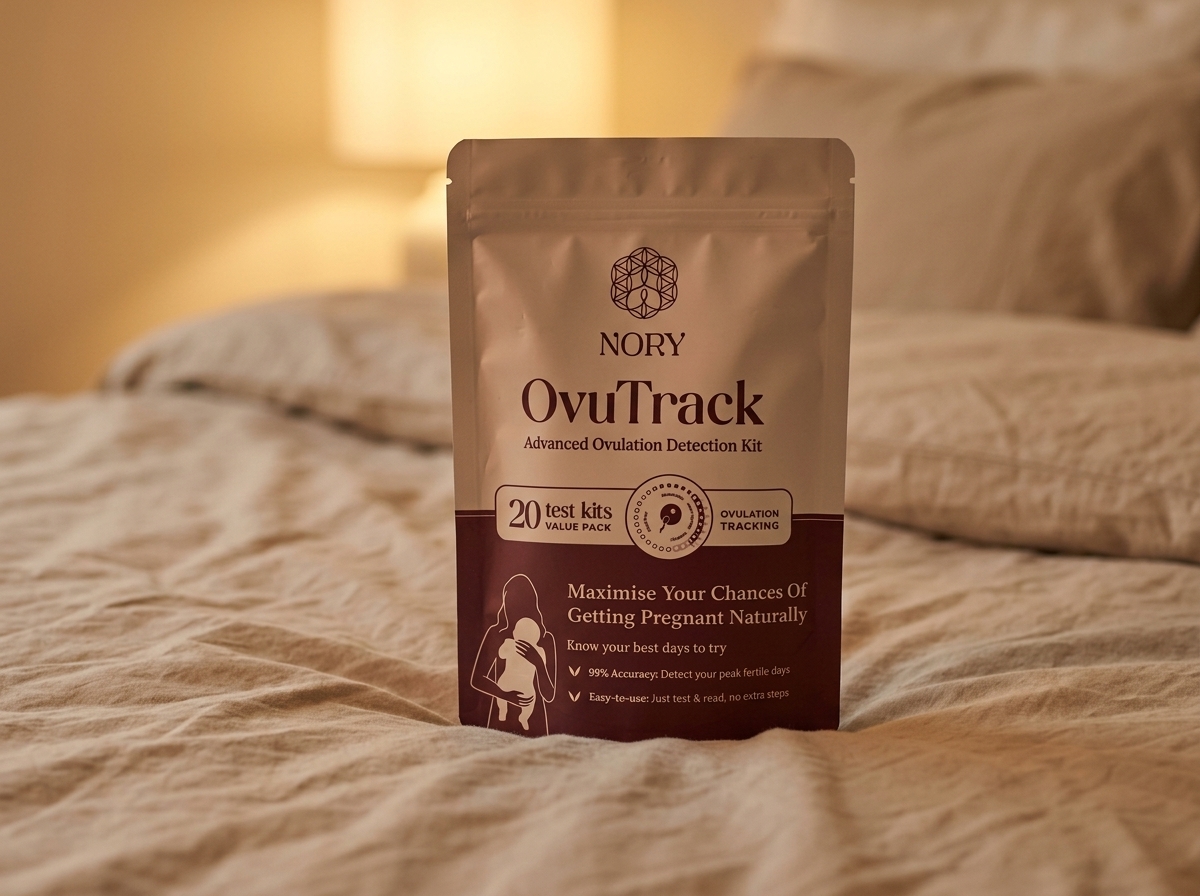
The Nory OvuTrack Ovulation Test Kit is designed to detect the LH surge in your urine, which may help you identify your fertile window. Also available on Amazon.
Understanding the Limitations of Ovulation Tests
While ovulation tests are a valuable tool, it's important to understand their limitations. An LH surge indicates that your body is trying to ovulate, but it doesn't guarantee that an egg will actually be released. Conditions like Polycystic Ovary Syndrome (PCOS) can cause elevated LH levels throughout the cycle, which may lead to false positive results or make the tests difficult to interpret.
Furthermore, if you have a very short LH surge, testing only once a day might miss it entirely. If you suspect this is the case, you might consider testing twice a day as you get closer to your predicted ovulation time.
| Method | Pros | Cons | Best For |
|---|---|---|---|
| Calendar Method | Simple, free | Unreliable for irregular cycles | Women with very regular cycles |
| Cervical Mucus | Free, provides real-time info | Requires daily observation, can be subjective | Anyone willing to learn their body's signs |
| Basal Body Temperature | Confirms ovulation happened | Requires consistent daily measurement, only retrospective | Confirming ovulation patterns over time |
| Ovulation Test Kits (LH Strips) | Predicts potential ovulation by detecting the LH surge | Cost, potential for false positives (e.g., PCOS) | Women needing a clear signal before ovulation |
When to Seek Medical Advice for Irregular Periods and Conception
Irregular cycles are common and not always a sign of a problem. However, it's a good idea to consult a doctor or fertility specialist in the following situations:
- You are under 35 and have been trying to conceive for over a year.
- You are over 35 and have been trying to conceive for six months.
- Your cycles are consistently shorter than 21 days or longer than 35 days.
- You have symptoms of PCOS, such as excess hair growth, acne, or weight gain.
- You have a known medical condition that could affect fertility.
A doctor can help diagnose any underlying issues and recommend a path forward. Some individuals may also consider at-home insemination options if they experience persistent difficulties with vaginal intercourse, such as pain, anxiety, or vaginismus. Please consult a healthcare provider to discuss whether these options are appropriate for your situation. If you have been trying to conceive for the recommended timeframes without success, please consult a fertility specialist for a comprehensive evaluation.
Frequently Asked Questions
Can you still ovulate with irregular periods?
Yes, it is definitely possible to ovulate with irregular periods. Ovulation might not happen every month, or the timing might be unpredictable, but it often still occurs. Tracking your body's signs and using ovulation tests can help you predict when it's happening.
Do irregular periods mean infertility?
Not necessarily. Irregular periods can make it more challenging to conceive because the timing is unpredictable, but it does not automatically mean you are infertile. Many women with irregular cycles conceive without medical intervention. However, since irregular cycles can sometimes be a symptom of an underlying condition that affects fertility (like PCOS), it's wise to consult a doctor if you've been trying for a while without success.
How accurate are ovulation tests with irregular periods or PCOS?
Ovulation tests detect the LH surge that precedes ovulation, but they do not confirm that ovulation will occur. While generally accurate, women with PCOS may have consistently high LH levels, which can lead to false positive results. If you have PCOS and are getting confusing results, it's best to work with a healthcare provider who can offer alternative ways to track ovulation, such as ultrasound monitoring.
What are the natural signs of ovulation with irregular cycles?
The most reliable natural signs are changes in cervical mucus and basal body temperature. As you approach ovulation, your cervical mucus will become clear, slippery, and stretchy, like raw egg whites. Your basal body temperature will show a slight, sustained rise the day after ovulation occurs.
How do I know when to start using ovulation test strips with an irregular cycle?
With an irregular cycle, it's best to ignore the calendar. Start testing a few days after your period ends. A more targeted approach is to to monitor your cervical mucus and begin using the test strips as soon as you notice it becoming more watery and fertile-looking.
References
- Mayo Clinic. (2023). Ovulation signs: When is conception most likely?
- American College of Obstetricians and Gynecologists. (2022). Trying to Get Pregnant.
- RESOLVE: The National Infertility Association. (n.d.). What is Infertility?
- Ecochard, R., et al. (2020). Use of urinary hormonal monitoring for identifying the fertile window. In StatPearls. StatPearls Publishing.
- World Health Organization. (2023). Infertility.
fertile days with irregular periods
how to find fertile window irregular periods India
irregular periods ovulation tracking methods
how to tell if I'm ovulating with irregular cycles
can you still ovulate with irregular periods
do irregular periods mean infertility
cervical mucus irregular periods ovulation
LH test irregular periods accuracy
how to calculate fertile window with pcos
tracking ovulation with unpredictable cycles
when to start ovulation tests irregular cycle