

How Do I Know When I’m Ovulating? Signs, Fertile Window & How to Track Ovulation at Home
Disclaimer: This article is for general education and awareness only. It is not medical advice, a diagnosis, or a treatment plan, and it is not intended for research, academic, or scientific use. Information may be incomplete or change over time; Grace Fertility does not guarantee that every detail is error-free. Always consult our specialist for decisions about your care.
How to Know When You're Ovulating: Signs & Tracking
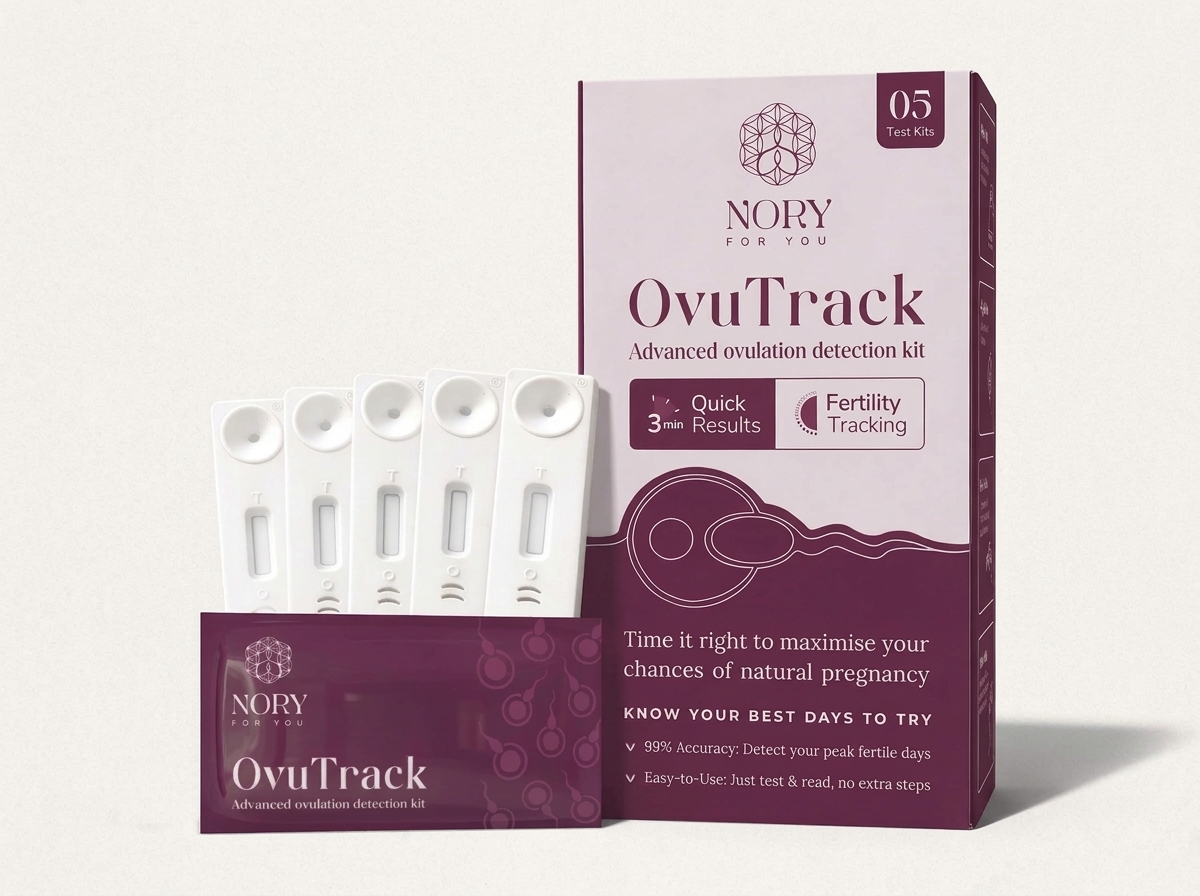
- Ovulation typically occurs midway through your menstrual cycle, marking your fertile window.
- Physical signs like cervical mucus changes and mild pelvic pain can indicate ovulation, but they aren't foolproof.
- At-home ovulation predictor kits (OPKs) measure luteinizing hormone (LH) surges to help identify fertile days more accurately than calendar math.
- An LH surge suggests ovulation is approaching, but it does not guarantee pregnancy.
Trying to conceive can feel like a guessing game if you aren't sure exactly when your fertile window happens. Many women ask, "how do I know when I am ovulating?" because timing is everything when it comes to pregnancy. Relying purely on calendar counting often leads to missed opportunities, as cycles naturally fluctuate from month to month. In this guide, we will break down the biological signs of ovulation, the limitations of calendar tracking, and practical, evidence-based ways to track your ovulation at home so you can take the guesswork out of family planning.
What is Ovulation and the Fertile Window?
Ovulation is the biological process where a mature egg is released from the ovary and travels down the fallopian tube, making it available to be fertilized by sperm. This typically happens once every menstrual cycle. Because an egg only survives for 12 to 24 hours after release, identifying this exact timeframe is critical for conception.
Your "fertile window" includes the five days leading up to ovulation and the day of ovulation itself. Sperm can survive in the female reproductive tract for up to five days, meaning intercourse in the days preceding ovulation significantly increases your chances of getting pregnant.
Common Physical Signs of Ovulation
Your body often provides subtle physical clues when ovulation is approaching. While these signs can be helpful indicators, they vary widely from person to person.
- Changes in Cervical Mucus: As you approach ovulation, cervical mucus typically becomes clear, slippery, and stretchy—often compared to the consistency of raw egg whites. This helps sperm travel efficiently.
- Basal Body Temperature (BBT) Shift: Your resting body temperature drops slightly just before ovulation and rises sharply right after the egg is released, due to increased progesterone.
- Mild Pelvic Pain: Some women experience mild, one-sided pelvic discomfort, known as mittelschmerz, during ovulation.
- Breast Tenderness: Hormonal shifts can cause breasts to feel sensitive or sore around the time the egg is released.
How Do I Know When I Am Ovulating?
If you are wondering, "how do I know when I am ovulating?", the most reliable approach is to combine physical symptom observation with clinical tracking methods, such as ovulation predictor kits. While physical signs like cervical mucus give you a general idea, they are subjective and can be easily influenced by stress, illness, or medications.
The Limitations of Calendar Tracking
The rhythm method, or calendar tracking, assumes a textbook 28-day cycle with ovulation occurring exactly on day 14. However, very few women have perfectly consistent cycles.
Stress, diet, exercise, and minor health changes can delay or advance ovulation by several days. Relying solely on a calendar app or mathematical average means you might entirely miss your actual fertile window, leading to frustration when trying to conceive.
How to Track Ovulation at Home
For a clearer, more objective understanding of your cycle, at-home ovulation tracking is highly recommended. The most accessible method involves testing your hormone levels.
Using Ovulation Predictor Kits (OPKs)
Ovulation predictor kits test your urine to detect a surge in luteinizing hormone (LH). Your brain sends a spike of LH to the ovaries to trigger the release of an egg, usually 24 to 36 hours before ovulation occurs. Detecting this surge helps pinpoint your two most fertile days.
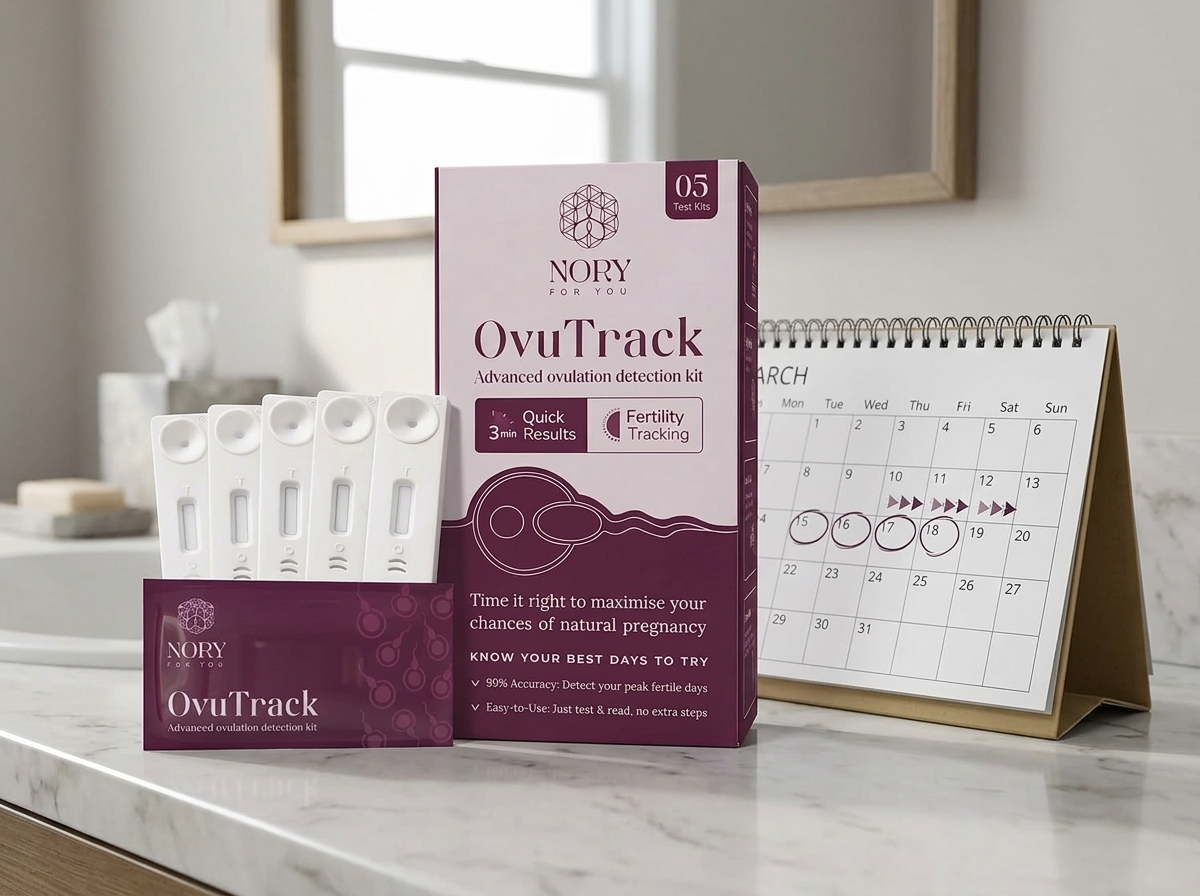
For women looking for a convenient at-home option, the Nory Ovulation Test Kit is designed to help you track your LH surge. The kit includes 5 ovulation detection strips to help identify the presence of luteinizing hormone in your urine.
How to do the test:
- Collect urine in afternoon between 12 noon to 3pm for the best results.
- Drop 2-3 drops in the kit
- Wait 5 minutes to read the results.
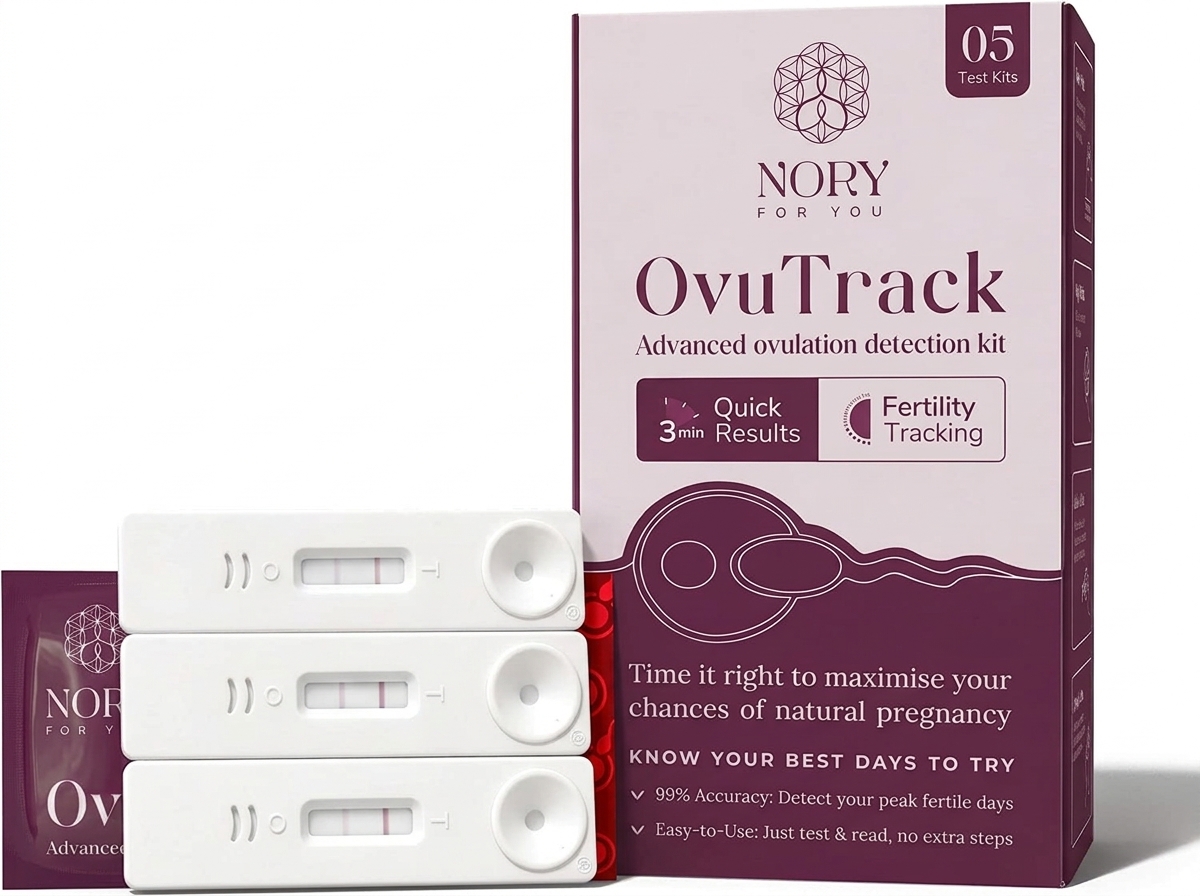
Note: It is important to understand that an LH surge indicates that your body is preparing to ovulate. It does not definitively guarantee that an egg has been released, nor does it guarantee that pregnancy will result. It is simply a tool to help you time intercourse during your most potentially fertile days.
When to Speak with a Healthcare Professional
While at-home tracking is helpful for most women, there are times when medical guidance is necessary. You should consider speaking with a doctor or fertility specialist if:
- Your periods are consistently irregular, exceptionally long (over 35 days), or exceptionally short (under 21 days).
- You do not get a positive result on ovulation tests across multiple consecutive cycles, which may suggest you are not ovulating (anovulation).
- You are under 35 and have been trying to conceive for over a year, or over 35 and trying for more than six months.
A healthcare professional can perform blood tests and ultrasounds to accurately assess your fertility and diagnose any underlying medical conditions. Please note that costs for fertility consultations vary by case.
Conclusion
Understanding when you ovulate is a crucial step in your family planning journey. By paying attention to physical signs and utilizing tools like the Nory Ovulation Test Kit to detect your LH surge, you can confidently identify your fertile window. Remember that patience is key, and if you have concerns about your cycle, consulting a healthcare provider is always a safe and proactive step.
Frequently Asked Questions (FAQ)
Does a positive ovulation test mean I am definitely ovulating?
No. A positive ovulation test means your body has produced a surge of luteinizing hormone (LH), which signals the ovaries to release an egg. However, it does not guarantee that the egg was successfully released.
Can I ovulate without noticing any physical signs?
Yes. Many women ovulate regularly without experiencing noticeable symptoms like mild pelvic pain or drastic changes in cervical mucus. This is why objective tracking methods like LH test strips are useful.
How many days after a positive ovulation test are you fertile?
Typically, ovulation occurs 24 to 36 hours after an LH surge. Your most fertile period is the day of the positive test and the following two days.
Why shouldn't I use my first morning urine for an ovulation test?
LH is usually synthesized in the body early in the morning and takes a few hours to show up in your urine. Testing between 10 AM and 8 PM often yields the most accurate results.
References
- Mayo Clinic. (n.d.). Getting pregnant. Retrieved from Mayo Clinic website.
- American College of Obstetricians and Gynecologists (ACOG). (n.d.). Evaluating Infertility.
- American Society for Reproductive Medicine (ASRM). (n.d.). Optimizing Natural Fertility.