

What to Expect During the Two-Week Wait After At-Home IVI
Disclaimer: At-home insemination (IVI) is a method for assisted conception and is not a medical treatment for infertility. It is not a substitute for clinical intrauterine insemination (IUI) or IVF. Please consult with a healthcare professional if you have underlying fertility concerns. Ensure any medical devices used are compliant with local Indian regulations.
Summary
- Understand the phases of the two-week wait and why patience is essential.
- Learn how to recognize normal symptoms and avoid common pitfalls.
- Discover exactly what to do during two week wait after at home insemination.
Wondering what to do during two week wait after at home insemination? The most important step is to manage your stress, maintain a healthy lifestyle, and resist the urge to take a pregnancy test too early. After using an at-home IVI kit, many people feel anxious and uncertain about what to expect before taking a test. This period can be emotionally challenging, requiring clear and private guidance on common experiences, what to avoid, and when to test accurately.
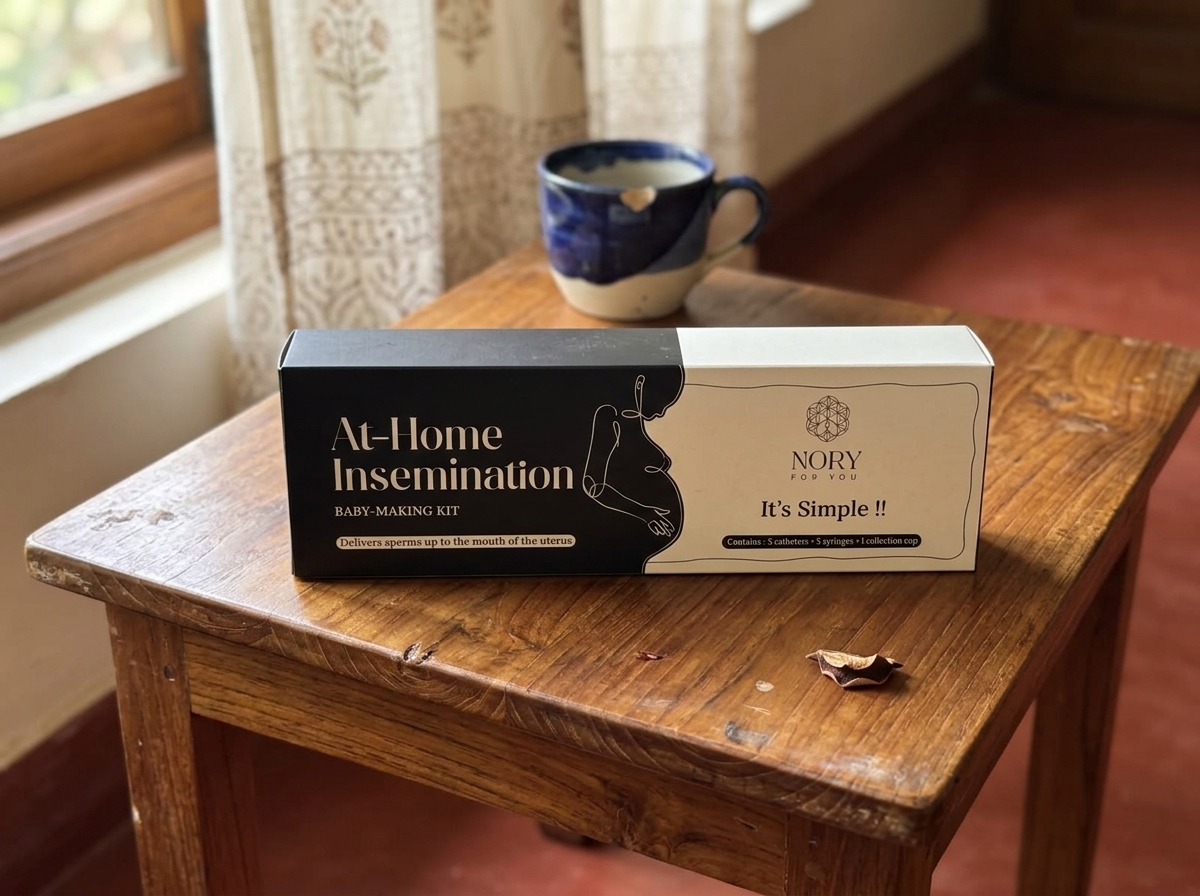
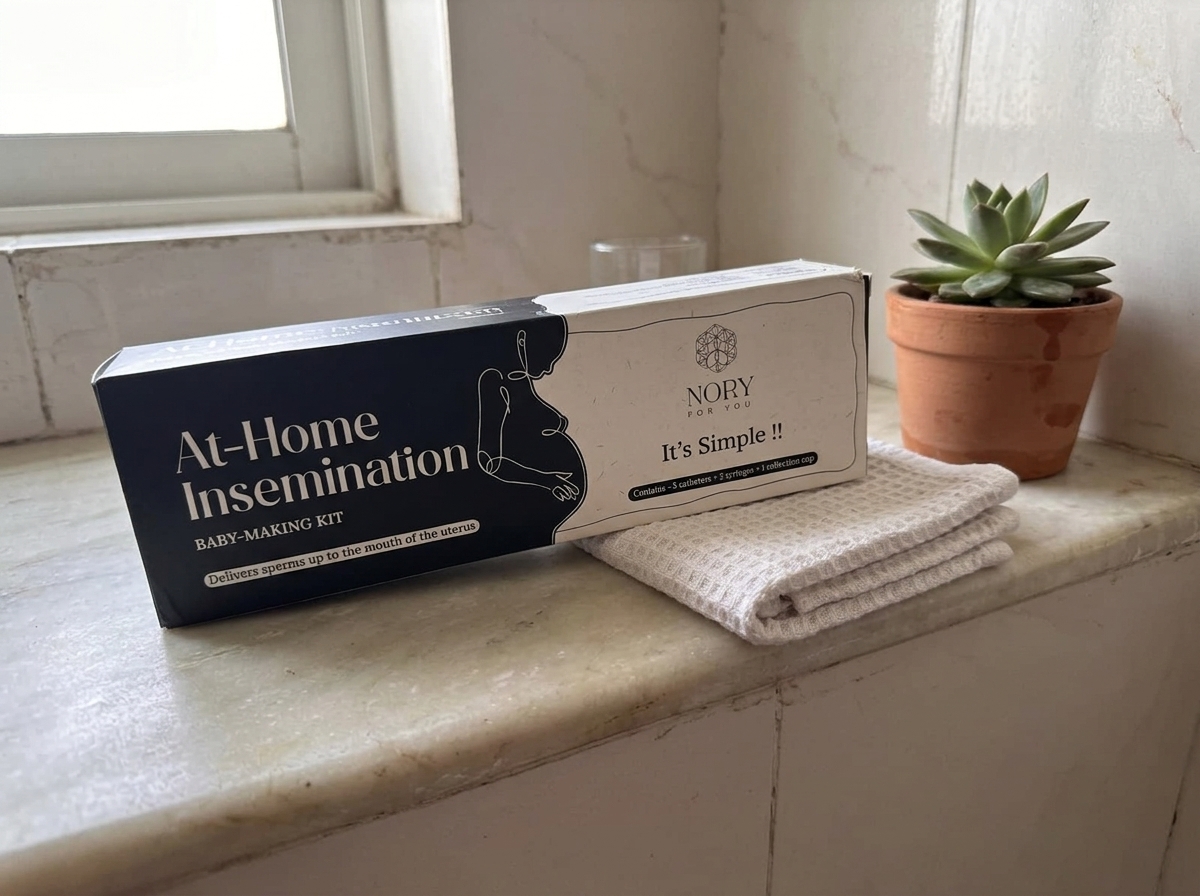
Some people look at at-home IVI because vaginal intercourse is difficult for them, including a sexual problem. It is not a treatment for that problem and it is not for everyone. The Nory At Home Self Insemination IVI Kit is designed to assist with the insemination process in a private setting. It is not a medical treatment for infertility. Please ensure any medical devices used are compliant with local Indian regulations. Understanding the timeline and physical changes can make this waiting period much more manageable.
Understanding the Two-Week Wait Period After At-Home IVI
The two-week wait is the time between ovulation and when your period is due. During this phase, if conception occurred, the fertilized egg travels down the fallopian tube and implants into the uterine lining. This process takes time, which is why testing immediately after insemination will not yield an accurate result. The body needs time to produce enough human chorionic gonadotropin (hCG) to be detected by a home pregnancy test.
Many couples wonder what is happening inside their bodies day by day. In the first few days, the focus is purely on cellular division and travel. By the second week, implantation may occur, prompting the start of hormone production. Recognizing this timeline helps set realistic expectations and reduces the temptation to test prematurely. You can learn more about this timeline from the American College of Obstetricians and Gynecologists.
What Symptoms Are Normal During the TWW?
Experiencing symptoms during the two-week wait is common, but they can be confusing. Early pregnancy symptoms often mimic premenstrual syndrome (PMS) because both are driven by progesterone. You might notice mild cramping, breast tenderness, fatigue, or slight bloating. Some women experience spotting, known as implantation bleeding, though this does not happen for everyone.
It is crucial to remember that having no symptoms is also entirely normal. Every body reacts differently to hormonal shifts. Overanalyzing every twinge can increase anxiety. Keeping a journal or simply acknowledging these changes without immediately linking them to pregnancy can help maintain your emotional balance. For additional insights on symptoms, the Mayo Clinic provides comprehensive resources.
Activities to Consider and Avoid During Your Wait
Knowing what activities are safe can provide a sense of control during the two-week wait. Maintaining your regular routine is generally encouraged, but there are a few adjustments to keep in mind. Focus on activities that promote relaxation and overall well-being, while avoiding anything that could cause undue physical or mental stress.
Here are some guidelines to follow:
- Stay Hydrated: Drink plenty of water throughout the day.
- Eat Nutritious Meals: Focus on a balanced diet rich in vitamins and minerals.
- Engage in Moderate Exercise: Walking, yoga, or swimming are excellent choices.
- Avoid High-Intensity Workouts: Skip heavy lifting or starting intense new fitness routines.
- Limit Caffeine and Alcohol: Treat your body as if you are already pregnant.
If you experience severe abdominal pain, unusual discharge, or fever, contact your healthcare provider immediately, as these could be signs of an infection. Implementing these simple changes can create a healthy environment for potential implantation. The CDC's guidelines for a healthy pregnancy offer further reading on lifestyle adjustments.
How to Manage Emotions and Stay Positive?
The emotional toll of the two-week wait can be significant. It is natural to feel a mix of hope and anxiety. Managing these emotions requires intentional effort and finding healthy outlets for your feelings. Distraction can be a powerful tool; diving into a new book, starting a project, or spending quality time with loved ones can keep your mind occupied.
Consider comparing different coping strategies to see what works best for you:
| Strategy | Benefits | Best For |
|---|---|---|
| Mindfulness and Meditation | Reduces cortisol levels and anxiety | Daily stress management |
| Journaling | Helps process complex emotions | Self-reflection and tracking |
| Light Hobbies | Provides healthy distraction | Keeping the mind busy |
Finding a supportive community or a trusted friend to talk to can also alleviate the feeling of isolation. Organizations like RESOLVE: The National Infertility Association offer resources for emotional support.
Preparing Mentally for the Outcome
Regardless of the result at the end of the two-week wait, preparing yourself mentally is a critical step. A positive result brings its own set of emotions and next steps, such as scheduling a prenatal appointment and adjusting your lifestyle further. On the other hand, a negative result can be disheartening, but it is important to remember that conception often takes several cycles, even for young, healthy couples. Giving yourself grace and permission to feel whatever emotions arise is vital for your mental health. Many individuals find it helpful to have a plan in place for either outcome, which can provide a sense of stability during an otherwise unpredictable time. Establishing a routine that prioritizes self-care and emotional well-being will serve you well, no matter the result of the pregnancy test.
It is also beneficial to communicate openly with your partner, if applicable, about your feelings and expectations. Sharing the emotional load can strengthen your relationship and ensure that you are both on the same page. If you are navigating this journey independently, leaning on a trusted friend or a support group can provide the necessary emotional backing. The process of trying to conceive is deeply personal and can sometimes feel isolating, but you are not alone. There are numerous resources and communities dedicated to supporting individuals through the highs and lows of the fertility journey. By staying informed, practicing self-compassion, and seeking support when needed, you can navigate the two-week wait and whatever follows with resilience and hope.
Furthermore, maintaining a healthy perspective on the role of at-home IVI kits is important. These kits are tools designed to facilitate the process in a comfortable and private setting, but they do not guarantee immediate success. The human body is complex, and many factors influence conception. By understanding the limitations and setting realistic expectations, you can approach each cycle with a balanced mindset. Remember that seeking professional medical advice is always an option if you have concerns about your fertility or the process. Healthcare providers can offer personalized guidance and potential next steps tailored to your specific situation, ensuring that you have the most accurate and supportive information available.
The Role of Nutrition During the TWW
Nutrition plays a supportive role during the two-week wait. While there is no magic food that guarantees implantation, a balanced diet provides the necessary building blocks for a healthy body and potential pregnancy. Focus on incorporating a variety of fruits, vegetables, lean proteins, and whole grains into your meals. Foods rich in folate, such as leafy greens and legumes, are particularly important for early fetal development. Additionally, staying adequately hydrated supports overall cellular function and can help manage common symptoms like bloating. Avoiding processed foods, excessive sodium, and refined sugars can also contribute to feeling your best during this waiting period.
Some individuals explore specific diets or supplements intended to boost fertility, but it is essential to consult with a healthcare professional before making significant changes. Prenatal vitamins are generally recommended for anyone trying to conceive, as they ensure you are meeting your daily requirements for essential nutrients. During the two-week wait, it is best to stick to a consistent, healthy eating pattern rather than drastically altering your diet. Consistency helps regulate blood sugar levels and energy, which can in turn stabilize mood and reduce stress. By prioritizing wholesome, nutrient-dense foods, you are creating an optimal environment for your body to function at its best, regardless of the outcome of the cycle.
It is also worth noting the importance of food safety during this time. To minimize the risk of foodborne illnesses, avoid undercooked meats, unpasteurized dairy products, and certain types of fish high in mercury. Treating your body as though you are already pregnant is a proactive approach that prioritizes the health of both you and a potential developing embryo. While it may require some adjustments to your usual habits, these dietary precautions are temporary and serve a significant purpose. Ultimately, nourishing your body with care and attention is a positive and empowering way to navigate the uncertainties of the two-week wait.
When and How to Take a Home Pregnancy Test
Timing is everything when it comes to taking a pregnancy test. Testing too early is the most common mistake made during the two-week wait. The body needs sufficient time to build up detectable levels of hCG. Taking a test before your missed period can result in a false negative, causing unnecessary disappointment and stress.
For the most accurate results, wait until the first day of your expected period. Use the first morning urine, as it contains the highest concentration of hormones. Follow the test instructions carefully and read the results within the specified timeframe. If you receive a negative result but your period does not start, wait a few days and test again. The Planned Parenthood website provides detailed guidance on pregnancy testing.
Conclusion and Next Steps
Navigating the two-week wait requires patience, self-care, and a clear understanding of your body's processes. By knowing what to expect, managing your symptoms, and waiting for the right time to test, you can make this period much less stressful. Remember that every journey is unique, and taking care of your physical and emotional well-being is the most important thing you can do.
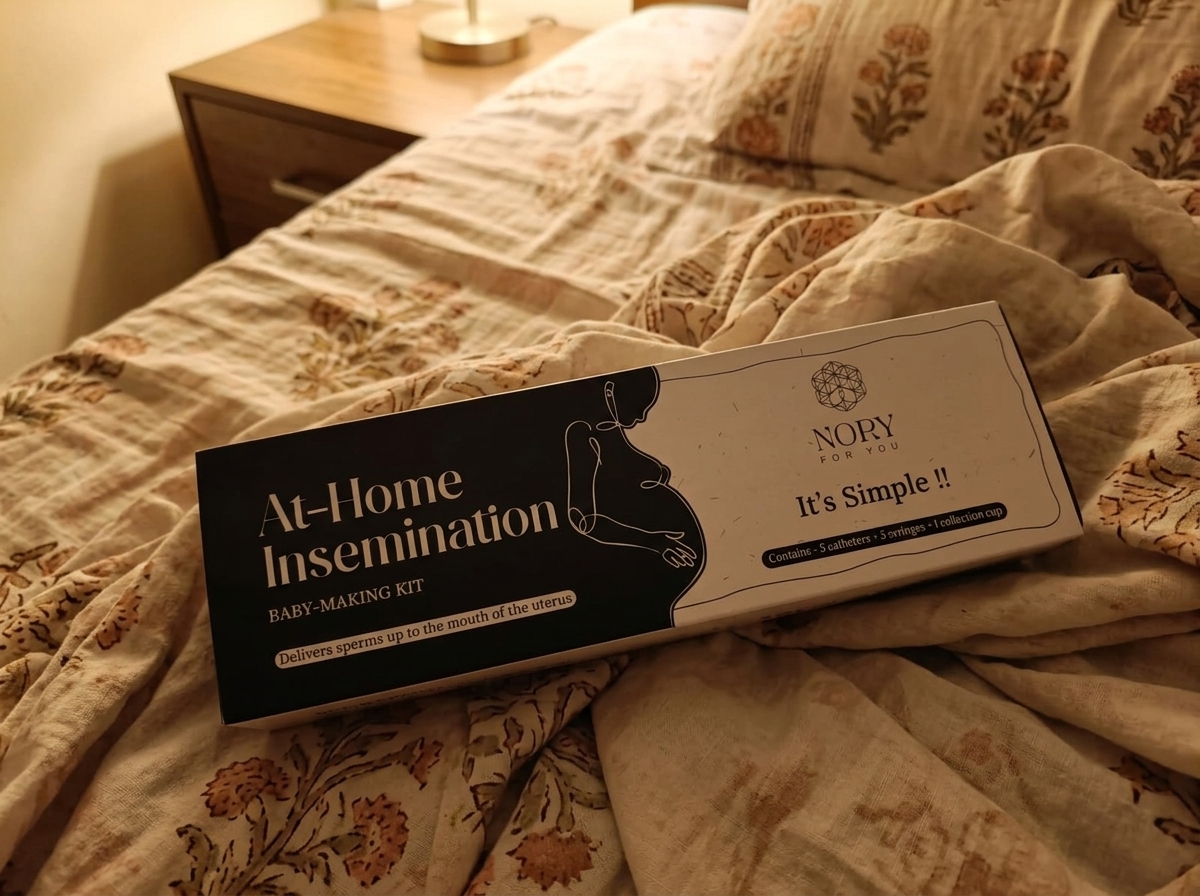
If you are exploring options for trying to conceive in private, the Nory At Home Self Insemination IVI Kit offers a comfortable method. It includes syringes and a reusable collection cup to support your journey. Stay positive, keep yourself occupied, and trust the process.
Frequently Asked Questions
How long is the two-week wait after at-home IVI?
The two-week wait is typically 14 days from the day you observed your ovulation and completed the insemination.
What symptoms are normal during the two-week wait?
Normal symptoms can include mild cramping, breast tenderness, and fatigue, though many people experience no symptoms at all during this time.
Can I take a pregnancy test early after at-home insemination?
Taking a test too early can result in a false negative. It is best to wait until the first day of your missed period for the most accurate result.
Should I change my diet during the two-week wait?
You should aim for a balanced diet and avoid excessive caffeine and alcohol, acting as though you are already pregnant.
Can I exercise after using an at-home IVI kit?
Moderate exercise is generally encouraged for overall health, but you should avoid starting new, high-intensity workouts during this time.
References
what to do during two week wait after at home insemination
two week wait symptoms
when to take pregnancy test after ivi
at home ivi success rate
nory ivi kit instructions
how to use nory ivi kit
ivi at home two week wait
can i exercise during two week wait
early pregnancy symptoms after ivi
what to avoid during two week wait