

Improve Male Fertility Naturally: Diet & Lifestyle Tips
Disclaimer: This content is for informational purposes only and does not constitute medical advice, diagnosis, or treatment. Always seek the advice of your physician or other qualified health provider with any questions you may have regarding a medical condition.
Improve Male Fertility Naturally: Diet & Lifestyle Tips
Summary
- Male fertility is a crucial part of conception that is often overlooked in India.
- Simple dietary and lifestyle changes can significantly support healthy sperm production.
- It takes about 70 to 90 days for new sperm to fully mature.
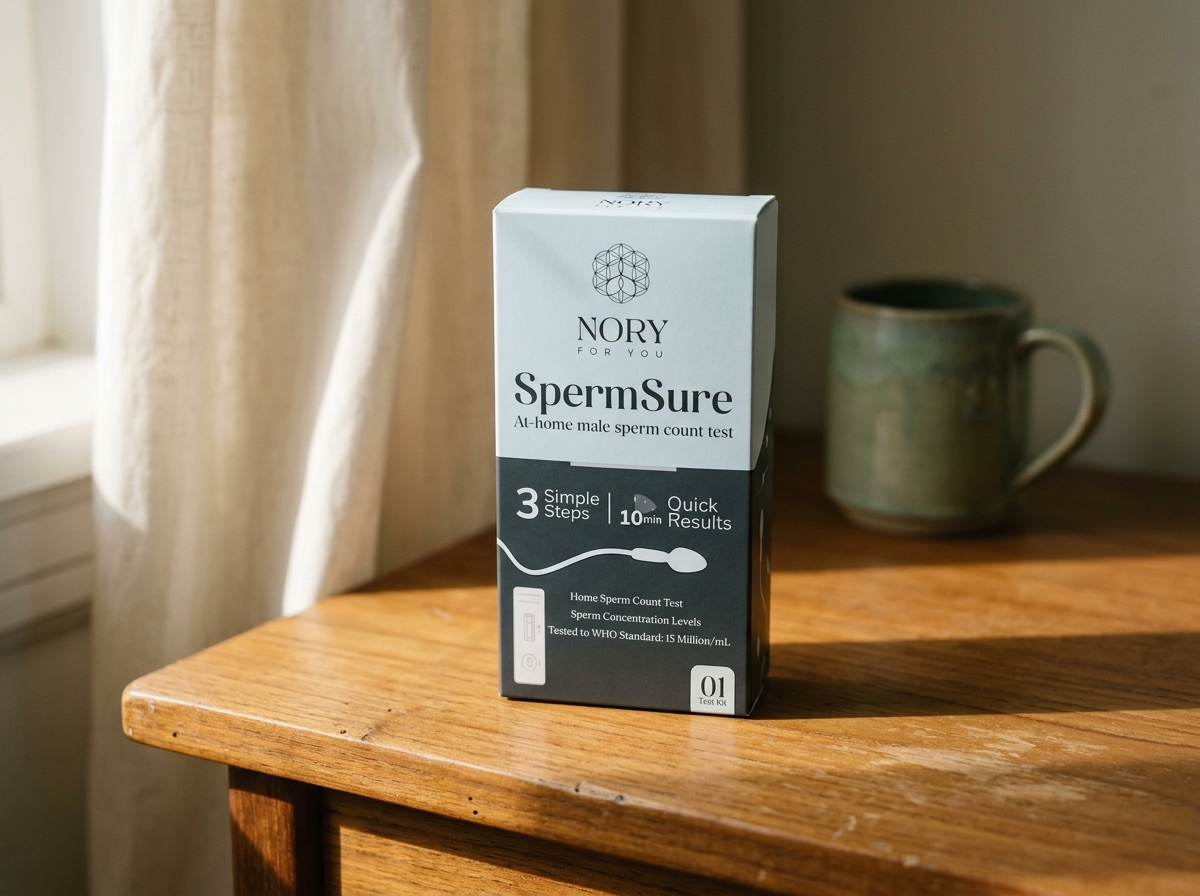
- You can check your progress using an at-home sperm test kit.
Many couples in India trying to conceive focus primarily on female fertility, often overlooking the male partner's role. They may be trying for months without success and are looking for natural, at-home ways to improve their chances before seeking clinical intervention. If you are wondering how to improve male fertility naturally at home, the good news is that simple, natural changes to your routine can have a significant impact on your overall reproductive health. By understanding what affects sperm quality and making the right adjustments to your nutrition and daily habits, you can take proactive steps to support your conception journey. Later in this guide, we will also explore how you can objectively check your progress with an at-home sperm test after giving these natural improvements time to work.
It is important to remember that improving fertility naturally requires patience and consistency. The changes you make today will shape the quality of the sperm produced over the coming months. Let's explore the factors that influence your reproductive health and the specific steps you can take to foster a better environment for conception.
Before diving into the details, it helps to understand the baseline of what makes sperm healthy. Sperm health is generally measured by three main factors: quantity, quality (or morphology), and movement (or motility). A disruption in any of these areas can make it harder for the sperm to reach and fertilize an egg. Fortunately, many of the lifestyle and dietary choices that support general well-being also play a direct role in maintaining these three crucial aspects of male reproductive health.
While there are many myths surrounding fertility, focusing on evidence-based lifestyle modifications provides the most reliable path forward. From managing stress and maintaining a healthy weight to eating a nutrient-rich diet, every small change contributes to a healthier reproductive system. Taking control of your health at home is an empowering first step for any couple navigating the journey to parenthood.
What Factors Affect Male Fertility and Sperm Health?
Understanding what affects sperm quality is the first step toward making meaningful improvements. Male fertility relies on the complex process of spermatogenesis, which is highly sensitive to environmental and physiological factors. When this process is disrupted, it can lead to lower sperm concentration, reduced motility, or abnormal morphology. Several everyday factors can interfere with this delicate balance.
One of the most common factors is excessive heat around the testicles. The testicles are located outside the body because sperm production requires a temperature slightly cooler than the core body temperature. Wearing tight underwear, frequently using hot tubs, or sitting for prolonged periods with a laptop directly on your lap can raise scrotal temperatures and negatively impact sperm production.
Another major factor is oxidative stress, which occurs when there is an imbalance between free radicals and antioxidants in the body. Environmental toxins, pollution, smoking, and poor diet can all contribute to oxidative stress, which damages sperm cells and DNA. This is why a nutrient-rich diet is so critical for protecting sperm health.
Additionally, chronic stress and lack of sleep can disrupt hormone levels, particularly testosterone, which is essential for sperm production. When the body is under constant stress, it produces higher levels of cortisol, which can suppress the reproductive system. Ensuring adequate rest and finding healthy ways to manage stress are just as important as diet and exercise when it comes to supporting male fertility.
Diet for Male Fertility: Foods to Include and Avoid (India-specific examples)
Your nutrition plays a direct role in the quality of the sperm you produce, making a male fertility diet in India an important consideration. A diet rich in antioxidants, vitamins, and minerals helps combat oxidative stress and provides the building blocks necessary for healthy sperm development. Incorporating traditional Indian ingredients can make it easy to support your reproductive health.
When considering what foods improve male fertility, focus on incorporating plenty of fresh vegetables, fruits, whole grains, and healthy fats. Here is a numbered list of essential dietary changes to consider:
- Increase Antioxidant Intake: Include foods rich in Vitamin C and E, such as amla (Indian gooseberry), citrus fruits, spinach, and almonds. Antioxidants help protect sperm from cellular damage.
- Add Zinc-Rich Foods: Zinc is crucial for testosterone production and sperm formation. Good sources include pumpkin seeds (kaddu ke beej), lentils (dal), chickpeas (chana), and dairy products.
- Boost Omega-3 Fatty Acids: Omega-3s support sperm motility and structure. You can find them in walnuts (akhrot), flaxseeds (alsi), and fatty fish if you are a non-vegetarian.
- Stay Hydrated: Drinking plenty of water throughout the day is essential for producing adequate seminal fluid, which helps transport the sperm.
- Limit Processed Foods and Sugar: High intakes of refined sugars and ultra-processed foods can lead to weight gain and inflammation, both of which can negatively affect sperm quality.
It is equally important to know what to limit or avoid. Excessive caffeine and alcohol consumption have been linked to reduced sperm concentration and motility. While an occasional cup of chai or coffee is fine, try to keep your caffeine intake moderate. Similarly, reducing your intake of trans fats, often found in deep-fried snacks and commercially baked goods, can help improve your overall reproductive environment.
By making these mindful adjustments to your daily meals, you provide your body with the nutrients it needs to produce healthy, robust sperm. A balanced, colorful diet is one of the most effective, natural ways to support your fertility goals at home.
Lifestyle Changes to Support Sperm Health
Beyond diet, everyday habits have a profound impact on reproductive function, making lifestyle changes for sperm health essential. Your body thrives on routine, and establishing healthy habits creates an optimal environment for spermatogenesis. One of the most effective lifestyle changes is maintaining a healthy body mass index (BMI). Obesity is linked to hormonal imbalances, particularly lower testosterone levels and higher estrogen levels, which can suppress sperm production.
Regular, moderate exercise is an excellent way to maintain a healthy weight and boost testosterone levels naturally. Activities like brisk walking, swimming, or yoga not only improve cardiovascular health but also help reduce stress. However, it is important to avoid overtraining, as exhaustive, high-intensity exercise without adequate recovery can actually lower testosterone and negatively impact fertility.
Quitting smoking and limiting alcohol intake are also critical steps. The toxins in cigarette smoke can cause DNA damage to the sperm, reducing both count and motility. Alcohol, when consumed in excess, can lower testosterone production and lead to erectile dysfunction or decreased sperm production. Taking steps to eliminate these habits can lead to noticeable improvements in your reproductive health.
Here is a table summarizing key lifestyle adjustments and their benefits:
| Lifestyle Adjustment | Benefit for Sperm Health |
|---|---|
| Maintaining a healthy BMI | Balances hormones and supports optimal testosterone levels. |
| Moderate, regular exercise | Improves blood flow, reduces stress, and supports hormonal balance. |
| Quitting smoking | Reduces oxidative stress and prevents DNA damage to sperm. |
| Managing stress (e.g., yoga, meditation) | Lowers cortisol levels, which can otherwise suppress testosterone. |
| Getting 7-8 hours of sleep | Supports overall recovery and optimal hormonal regulation. |
Finally, environmental and occupational hazards should be minimized where possible. Prolonged exposure to heavy metals, pesticides, or industrial chemicals can harm sperm production. If your job involves these risks, ensure you are using proper protective equipment and following safety guidelines to protect your reproductive health.
How Long Does It Take to Improve Sperm Quality?
When making natural lifestyle adjustments, many men wonder how long to improve sperm quality. The timeline is directly tied to the biological process of sperm production, known as spermatogenesis. It takes approximately 70 to 90 days for new sperm cells to fully develop and mature in the testicles. This means that the changes you make today to your diet, exercise routine, and stress management will not be reflected in your sperm instantly.
Because of this 70 to 90-day cycle, it is crucial to remain consistent with your healthy habits. If you start a nutrient-rich diet and begin exercising moderately today, you should expect to see the full benefits of those changes in about two to three months. This timeframe underscores why patience is essential when trying to improve male fertility naturally at home.
During this waiting period, the existing sperm that are already mature and stored in the epididymis will not be significantly altered by your new habits. The goal is to provide a healthier environment for the next generation of developing sperm cells. By maintaining your positive lifestyle changes, you ensure that the continuous cycle of sperm production is consistently supported by optimal nutrition and balanced hormones.
Couples should factor this timeline into their conception planning. It is completely normal for it to take a few months of dedicated effort before the improvements take effect. Staying committed to the process and supporting each other through the necessary lifestyle adjustments can make this waiting period much more manageable.
When to Consider an At-Home Sperm Test
After dedicating several months to improving your diet and lifestyle, you might want to know if your efforts are paying off. This is when an at-home test can provide valuable insight. By checking your progress, you can gain a clearer understanding of where you stand before deciding if you need to seek clinical intervention.
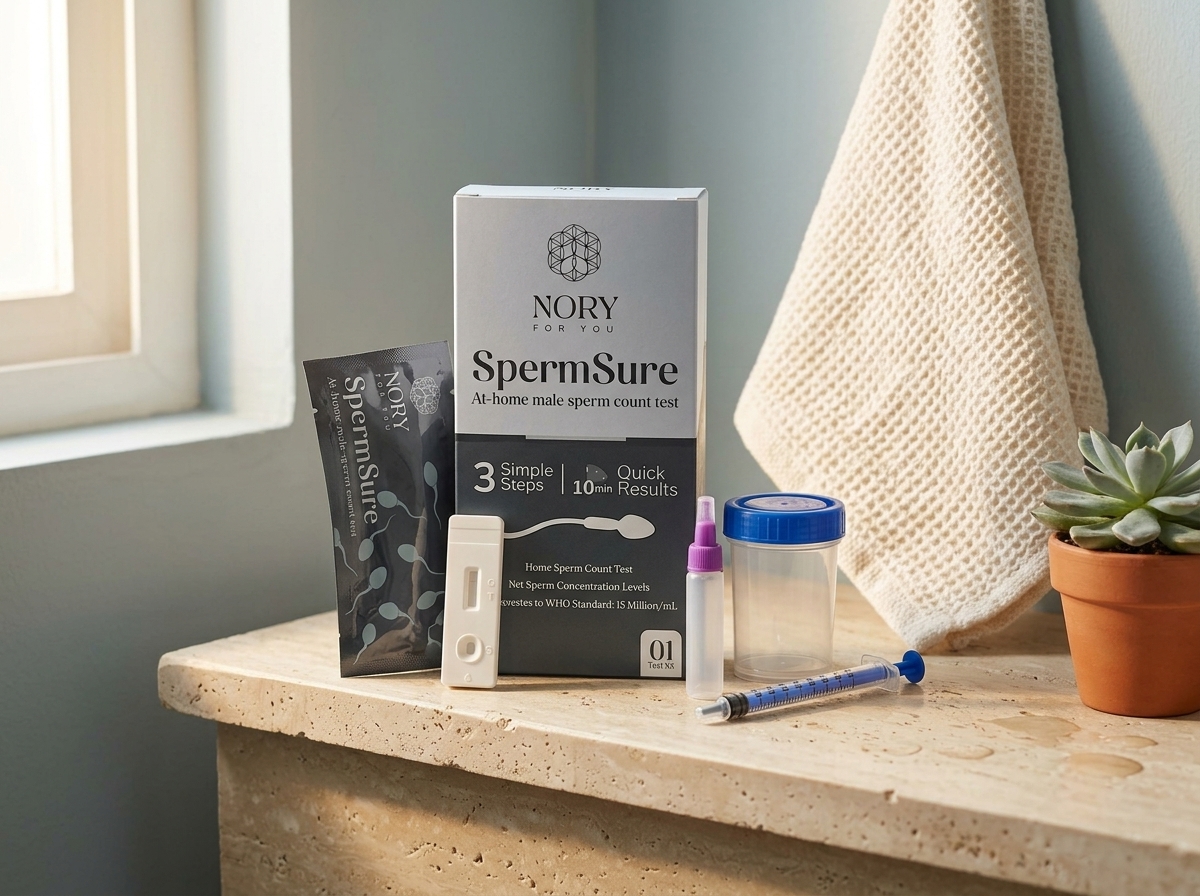
The Nory Sperm Test Kit is a screening tool designed to provide an initial indication of your sperm concentration in the privacy of your home. It is not a diagnostic test and does not replace a comprehensive laboratory semen analysis, which evaluates additional parameters like motility and morphology.
Using a kit like this can be a helpful step for those who want a quick, private check on their sperm concentration. The test is designed to be straightforward, providing an easy-to-read result in less than 15 minutes. It is a practical tool for couples who are proactively managing their reproductive health and want an initial indicator of their status from the comfort of home.
It is important to understand the limits of an at-home kit. If you have concerns after testing, the results can serve as a useful starting point for a conversation with a healthcare professional.
Deciding When to See a Doctor
While natural improvements and at-home testing are excellent starting points, it is important to recognize when to seek professional medical advice. If you and your partner have been actively trying to conceive for a year (or six months if the female partner is over 35) without success, it is advisable to consult a fertility specialist. A doctor can conduct a comprehensive evaluation, including a full laboratory semen analysis, to assess all aspects of sperm health.
You should also see a doctor sooner if you have a history of testicular issues, such as injury, surgery, or a varicocele (swollen veins in the scrotum). Additionally, if you experience pain, swelling, or a lump in the testicular area, or if you have a history of sexual dysfunction, prompt medical evaluation is recommended. These conditions may require specialized treatment beyond lifestyle adjustments.
It is also worth noting that some individuals and couples explore at-home insemination options because vaginal intercourse may be difficult for them, including due to sexual health challenges. Please note that at-home insemination is not a treatment for underlying sexual dysfunction and is not appropriate for everyone. If sexual difficulties are hindering your ability to conceive, a healthcare provider can offer guidance and appropriate therapeutic options to address the underlying issues.
Remember that seeking medical advice is a positive, proactive step. A doctor can help identify any specific medical conditions that might be affecting your fertility and recommend targeted treatments or procedures. Combining professional medical guidance with your ongoing healthy lifestyle choices offers the most comprehensive approach to achieving your family planning goals.
Frequently Asked Questions
Can diet alone improve sperm quality?
While a nutrient-rich diet provides essential building blocks and antioxidants that support sperm health, diet alone is usually just one piece of the puzzle. Combining a healthy diet with other lifestyle changes, such as moderate exercise, stress management, and avoiding toxins, offers the best approach to improving overall male fertility naturally.
What are the fastest ways to improve male fertility?
Because the sperm production cycle takes about 70 to 90 days, there is no overnight fix for improving sperm quality. The fastest way to see reliable improvements is to immediately adopt a comprehensive healthy lifestyle—quitting smoking, eating a balanced diet, and managing stress—and maintaining these habits consistently for at least three months.
How often should we try to conceive to maximize chances?
Having intercourse every one to two days during the female partner's fertile window is generally recommended to maximize the chances of conception. Regular intercourse ensures that healthy sperm are present in the reproductive tract when ovulation occurs, increasing the likelihood of successful fertilization.
Does stress affect male fertility?
Yes, chronic stress can significantly affect male fertility. High levels of stress increase the production of cortisol, which can interfere with the hormones needed to produce testosterone and sperm. Finding effective ways to manage stress, such as through relaxation techniques, exercise, or counseling, is important for maintaining reproductive health.
What foods improve male fertility?
Foods rich in antioxidants, zinc, and omega-3 fatty acids are excellent for supporting male fertility. Incorporating items like walnuts, pumpkin seeds, citrus fruits, leafy greens, and fatty fish into your diet can help protect sperm from oxidative damage and promote healthy testosterone levels.